J.R.R. Tolkien’s The Fellowship of the Ring, first published in 1954, is the opening book of The Lord of the Rings trilogy and a cornerstone of modern fantasy literature. It introduces readers to Middle-earth, a richly imagined world filled with unique races, deep history, and a compelling struggle between good and evil. More than just a story about magic and adventure, it is a tale of friendship, courage, and the resilience of the human—and hobbit—spirit.
This post explores the book’s plot, key characters, themes, and enduring significance, showing why it continues to captivate readers nearly seven decades later.
A Journey Begins: The Plot of The Fellowship of the Ring
The story begins in the peaceful Shire, where Frodo Baggins inherits the One Ring from his uncle, Bilbo. Unbeknownst to Frodo, the Ring is the most dangerous artifact in existence, created by the Dark Lord Sauron to dominate Middle-earth.
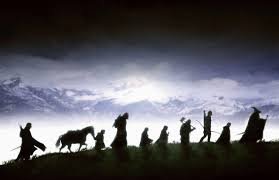
The plot quickly expands beyond the Shire, tracing Frodo’s journey to Rivendell and the formation of the Fellowship, consisting of:
- Frodo Baggins – the Ring-bearer
- Samwise Gamgee – loyal friend and gardener
- Merry and Pippin – adventurous hobbits
- Aragorn – the ranger with royal heritage
- Legolas – an elf with exceptional skill
- Gimli – a determined dwarf warrior
- Boromir – noble but conflicted
- Gandalf – the wise and powerful wizard
The Fellowship sets out to destroy the Ring by casting it into Mount Doom, located in the heart of enemy territory. Along the way, they encounter danger, treachery, and moral dilemmas that test their resolve, loyalty, and courage.
Key Characters and Their Arcs
Frodo Baggins
Frodo is the reluctant hero. His courage is not about wielding a sword but enduring immense physical and psychological challenges. He represents the theme of ordinary individuals rising to extraordinary circumstances.
Samwise Gamgee
Sam embodies loyalty, hope, and resilience. Often considered the true hero by readers, Sam provides unwavering support to Frodo and demonstrates that courage often comes from steadfast devotion rather than strength alone.
Aragorn
Aragorn balances leadership with humility. Initially a mysterious ranger, he gradually embraces his destiny as the heir to Gondor’s throne, illustrating the importance of responsibility and moral integrity in leadership.
Gandalf
Gandalf functions as both guide and mentor. His wisdom and foresight provide direction, but he also demonstrates that even the wise are vulnerable to danger, reinforcing the story’s high stakes.
Boromir
Boromir’s character highlights the corrupting influence of power. His desire to use the Ring to protect his people leads to conflict within the Fellowship, showing that even noble intentions can be compromised.
Themes That Make the Book Enduring
- Friendship and Fellowship
The book’s central theme is the strength found in camaraderie. The Fellowship itself symbolizes diverse races and personalities coming together to achieve a common goal. - Courage in the Face of Overwhelming Odds
Frodo and his companions confront forces far beyond their individual abilities, illustrating that courage is often about perseverance, not brute strength. - The Corrupting Nature of Power
The One Ring represents ultimate power and its capacity to corrupt even the best of hearts, highlighting the moral challenges of temptation. - Hope and Sacrifice
Middle-earth is filled with darkness, yet the story emphasizes hope, resilience, and the sacrifices required to protect what is good and just.
Tolkien’s Worldbuilding: A Fantasy Universe Like No Other
One of Tolkien’s greatest achievements in The Fellowship of the Ring is his meticulous creation of Middle-earth:
- Geography: Vast, detailed landscapes with forests, mountains, rivers, and cities.
- Races and Cultures: Elves, dwarves, hobbits, humans, and more, each with unique languages, customs, and histories.
- Language and Lore: Tolkien, a linguist, created languages like Elvish, adding depth and authenticity.
- History: A rich backstory with legends, wars, and genealogies that span thousands of years.
This level of detail makes Middle-earth feel alive and timeless, drawing readers into an immersive, fully realized world.
Why The Fellowship of the Ring Still Resonates Today
The book’s appeal is multi-faceted:
- Universal Themes: Friendship, bravery, sacrifice, and the struggle against evil are timeless.
- Relatable Characters: Frodo’s hesitations, Sam’s loyalty, and Aragorn’s growth resonate with readers of all ages.
- Epic Adventure: The journey narrative, with constant peril and discovery, captivates the imagination.
- Moral Lessons: The story encourages readers to confront temptation, act with integrity, and value courage in small acts as well as great battles.
Even decades later, readers continue to return to the Shire, Rivendell, and beyond because the story combines adventure with profound human truths.
Final Thoughts
The Fellowship of the Ring is far more than a fantasy adventure. It is a study of courage, friendship, and the human (and hobbit) spirit in the face of overwhelming evil. Tolkien’s richly imagined Middle-earth, morally complex characters, and timeless themes have secured its place as a masterpiece of literature.