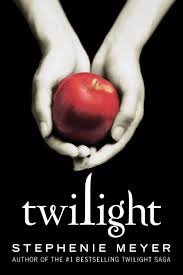
Stephenie Meyer’s Twilight, released in 2005, ignited a cultural phenomenon that reshaped young adult fiction. While it has sparked debates over its portrayal of romance, gender dynamics, and supernatural lore, the novel’s impact on literature and pop culture is undeniable.
This full-length post explores why Twilight captivated millions of readers, the themes that made it so compelling, and why it remains a touchstone for a generation of young adult fiction fans.
A Love Story Like No Other
At the heart of Twilight is the intense, forbidden romance between Bella Swan, a human teenager, and Edward Cullen, a vampire. Their relationship thrives on tension, secrecy, and desire—ingredients that make it irresistible to readers seeking escapism.
The novel explores:
- The allure of danger and the unknown
- The intensity of first love
- Emotional and physical attraction heightened by supernatural stakes
- The conflict between desire and morality
This mix of romance and fantasy allows readers to live vicariously through Bella’s experiences, making the story immersive and emotionally engaging.
Bella Swan: Relatable and Grounded
Bella’s appeal lies in her ordinariness. She is:
- socially awkward
- introspective
- cautious yet curious about the world
- relatable to teenagers navigating change and identity
Bella’s perspective allows readers to enter the world of vampires and immortality without feeling alienated. Her vulnerability, self-doubt, and longing for connection resonate with anyone experiencing the emotional turbulence of adolescence.
Edward Cullen: The Brooding Love Interest
Edward embodies the classic “brooding, mysterious” archetype, drawing readers in with his charisma, intelligence, and moral complexity. He is:
- protective but controlling
- immortal yet deeply human in his emotions
- disciplined yet tempted by his desires
The tension between Edward’s vampire instincts and his love for Bella creates a compelling push-and-pull dynamic. This conflict is central to the novel’s appeal and sustains its dramatic tension throughout.
The Supernatural as a Mirror for Emotion
Vampires and werewolves in Twilight are more than fantasy—they magnify human emotion. Edward’s thirst for Bella symbolizes the intensity of attraction and the struggle to maintain self-control. The supernatural elements heighten stakes:
- life-and-death danger intensifies romantic tension
- immortality raises questions about morality, choice, and consequence
- supernatural abilities create metaphors for desire and restraint
By blending fantasy with relatable emotion, Meyer makes the extraordinary feel personal and immediate.
Themes of Choice, Identity, and Belonging
While romance drives the story, Twilight is also about self-discovery. Key themes include:
- Choice: Bella repeatedly makes decisions that shape her destiny, emphasizing agency.
- Identity: Characters navigate their nature—human or supernatural—and define themselves within societal and familial expectations.
- Belonging: Both vampires and humans seek connection, illustrating the universal need for acceptance and understanding.
These themes add depth beneath the love story, allowing readers to reflect on their own growth and relationships.
Pacing and Suspense
Meyer’s writing keeps readers hooked through:
- fast-moving, emotionally charged chapters
- escalating romantic and supernatural tension
- suspense around vampire secrets and dangers
- cliffhangers that encourage binge-reading
The novel’s structure mirrors Bella’s emotional state, creating an immersive experience where readers feel invested in every decision, every risk, and every confession.
Criticism and Cultural Impact
Twilight has faced criticism for certain dynamics in Bella and Edward’s relationship, particularly questions of control, dependence, and gender roles. Yet it also:
- sparked a renewed interest in young adult fiction
- inspired countless adaptations, fan works, and discussions
- influenced a generation of authors exploring fantasy romance
- created a global fan community around its characters and themes
Its cultural footprint cannot be ignored, and its influence continues to shape young adult literature.
Why Readers Continue to Return
Despite mixed critical reception, the book endures because it delivers:
- escapist romance with high stakes
- compelling character dynamics
- a relatable protagonist navigating extraordinary circumstances
- suspenseful storytelling
- fantasy that illuminates universal emotional experiences
Readers connect with the story because it captures the intensity, confusion, and exhilaration of first love—magnified to epic proportions.
Final Thoughts
Twilight is more than a vampire romance; it is a story about desire, choice, identity, and the emotional turbulence of adolescence. Bella and Edward’s story resonates because it taps into universal emotions amplified by fantasy, creating a vivid and immersive experience.
Whether one views it critically or nostalgically, Twilight has left an indelible mark on popular culture, young adult literature, and the way readers imagine romance in fantastical worlds. Its legacy is undeniable—a reminder that love, danger, and self-discovery often go hand in hand.